Aluminium Anodising for a Components Supplier
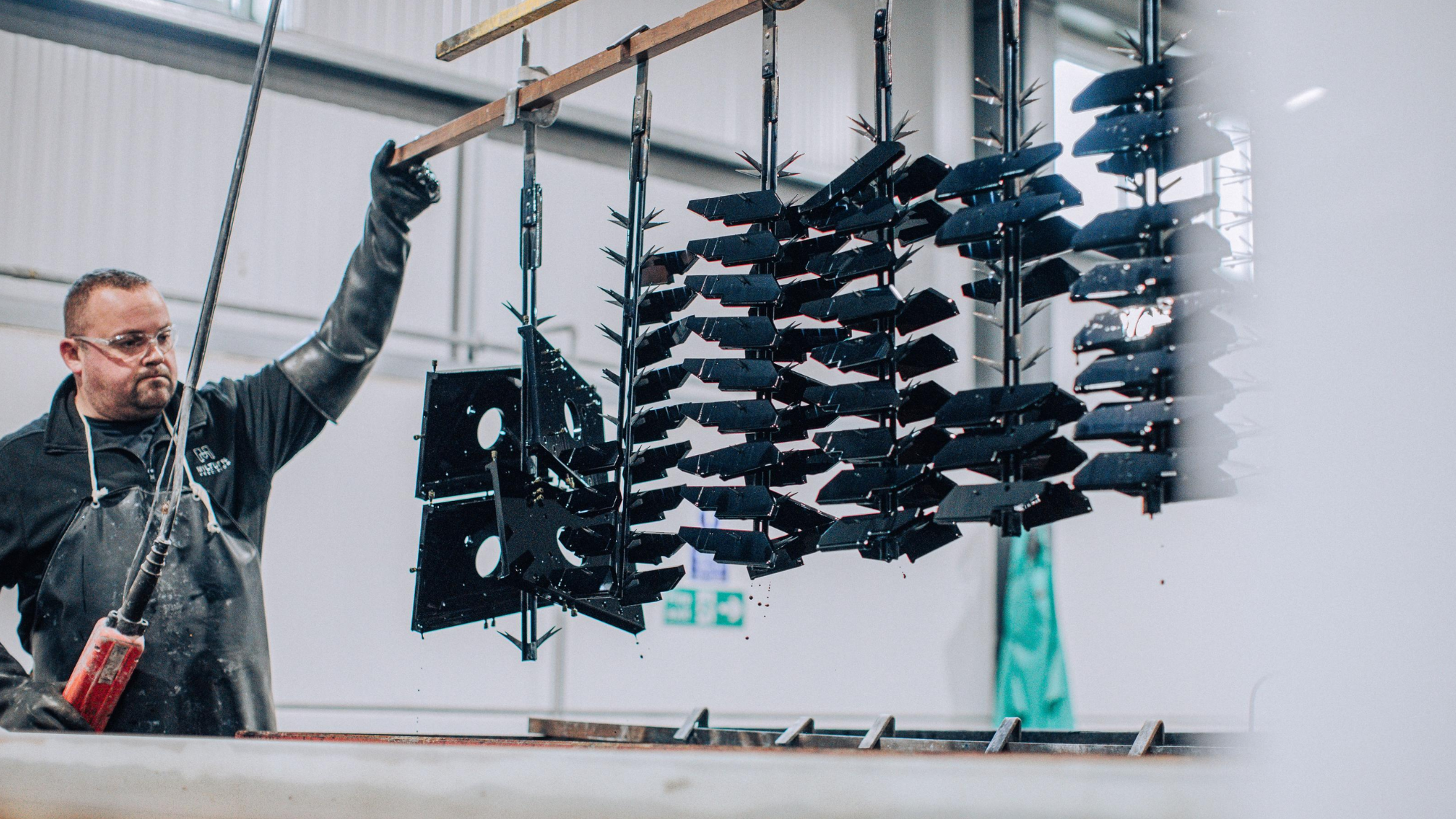
Milturn supplies aluminium anodising to a UK-based components manufacturer across four finish types, on regular high-volume repeat orders. The relationship has run for several years, built on consistent finish quality, fast turnaround, and in-house problem resolution.
The customer
A UK components supplier serving multiple industry sectors. They source aluminium anodising as part of their standard finishing requirement across a range of machined parts.
Aluminium alloys and finish types
The customer requires four finishes: hard clear, hard black, soft clear, and soft black anodising.
Milturn specialises in 6000 and 7000 series aluminium alloys. Material grade affects both the quality of the anodised layer and the final colour, so grade suitability is checked before any work begins.
Type II and Type III anodising: What’s the difference?
Type II is sulphuric acid anodising, producing a coating of 5–25 µm. It’s the standard route for aluminium anodising and works well where corrosion protection and a decorative finish are both needed.
Type III is hard anodising. It uses higher sulphuric acid concentrations, lower temperatures, and higher voltage to produce a thicker oxide layer of 25–50 µm. The result is a significantly harder surface, rated 9 on the Mohs scale, with greater wear resistance and corrosion resistance than Type II.
Both processes grow the coating into the aluminium surface rather than sitting on top of it. Part dimensions change only minimally, which matters for close-tolerance components.
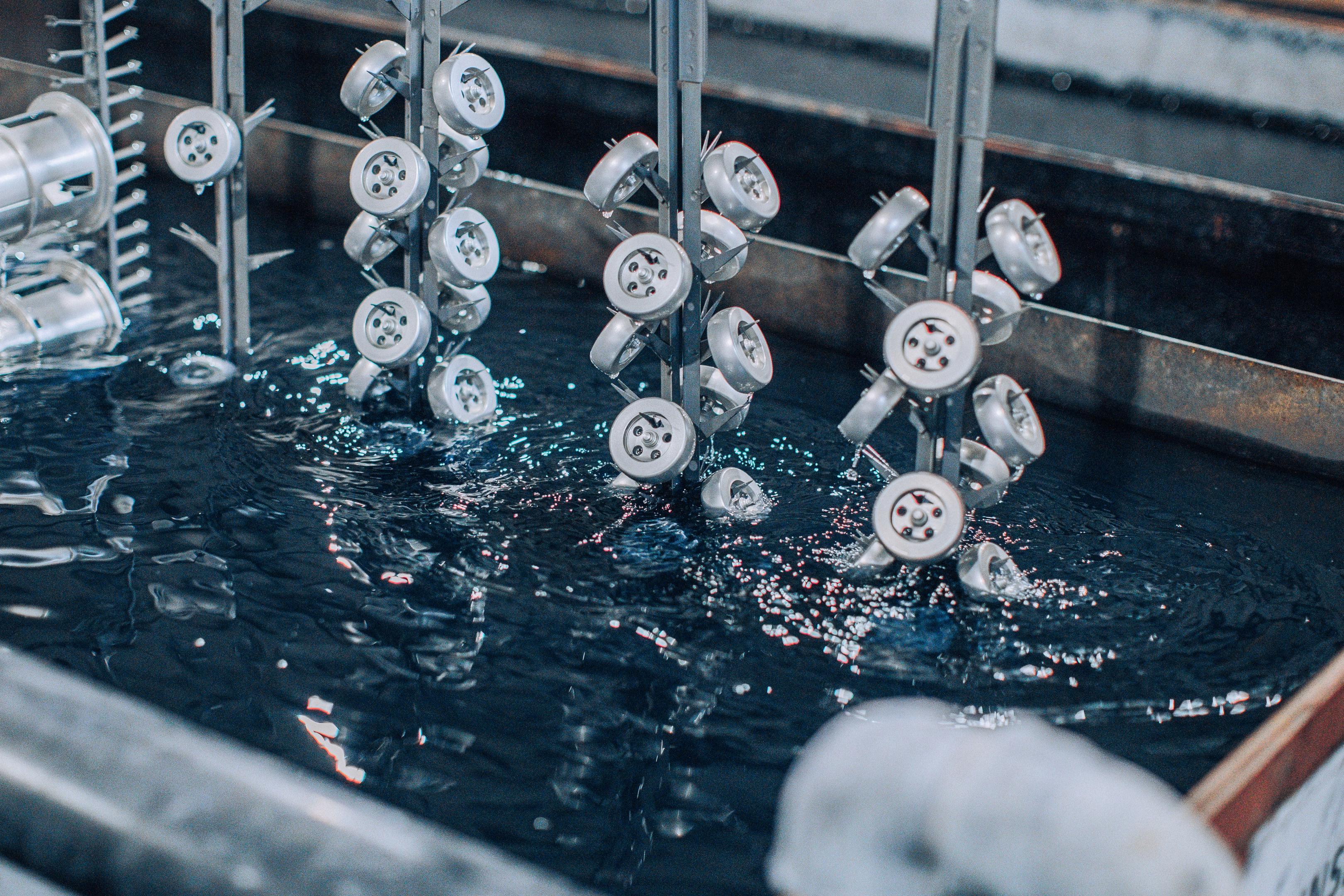
Sulphuric anodising in progress. Coating thickness is controlled throughout the process.
Wear resistance and corrosion resistance
Hard anodising is the right choice where parts face mechanical wear or harsh environments. The thick aluminium oxide layer resists abrasion, protects against corrosion, and holds up under repeated use.
Sulphuric anodising offers solid corrosion resistance for less demanding applications, at a lower cost and with more flexibility on colour.
This customer uses both, depending on the part and its end use.
Matte finish and colour options
For coloured finishes, dye absorbs into the porous anodic layer before sealing. Milturn offers black as standard, with other colours available on request.
Surface texture can also be adjusted before anodising. Vapour blasting produces a smooth, consistent matte finish across the part without affecting dimensions.
Colour consistency across batches depends on material grade. Milturn works within pre-agreed tolerances, drawing on over 20 years of experience with colour dyes.
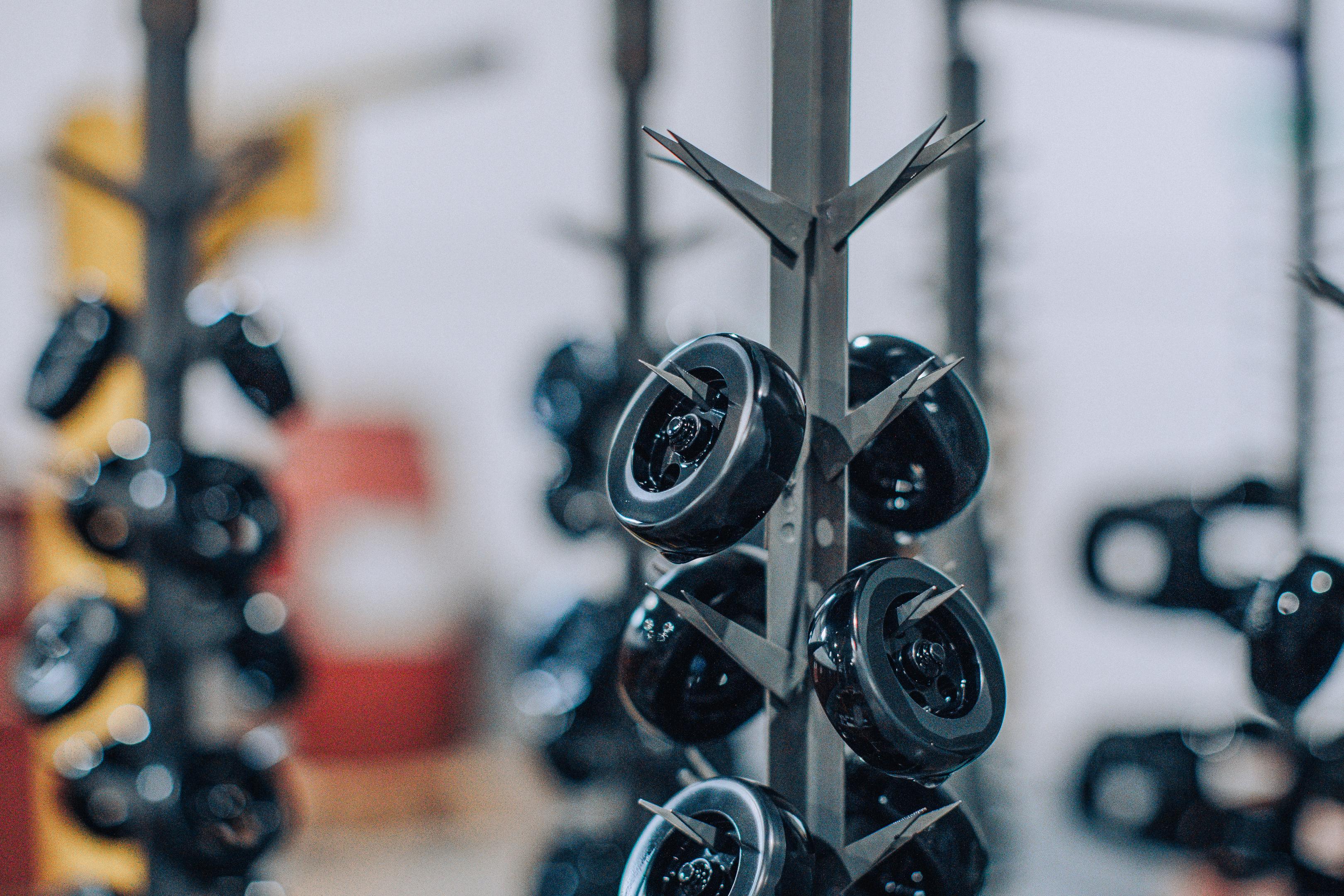
Black is the most in-demand colour finish. Parts are jigged throughout the process to maintain consistent coating quality.
How Milturn handles the work
Every batch goes through surface conditioning before anodising: etching to remove contaminants, vapour blasting where needed, and precise masking to protect areas that must stay unanodised.
Coating thickness is verified using XRF equipment on every batch. Milturn follows BS ISO 7599 as standard and can work to additional customer specifications.
When a quality issue does arise, Milturn resolves it in-house under an agreed process. Parts don’t need to go elsewhere.
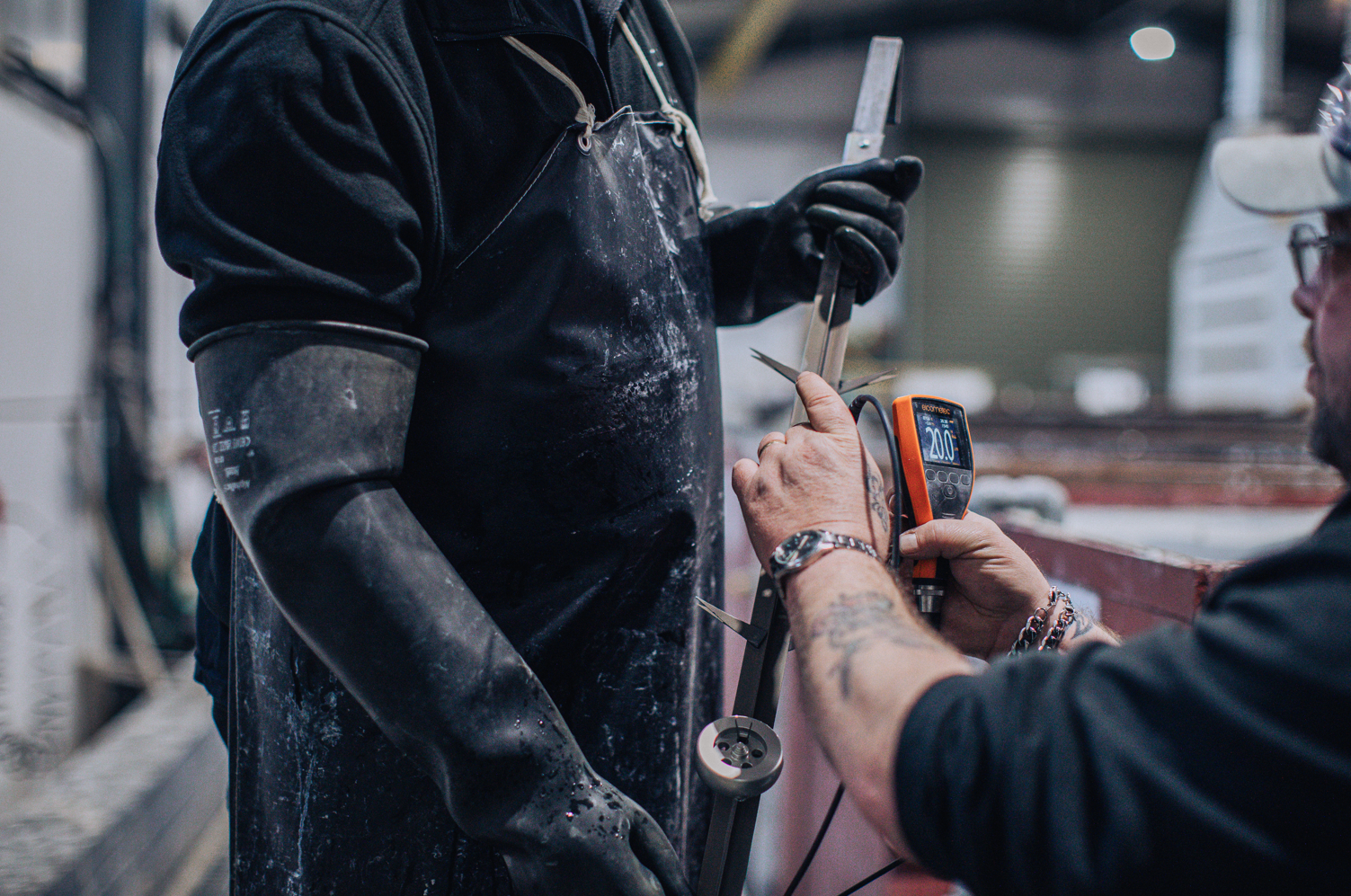
Coating thickness is verified using XRF equipment on every batch.
The result
The customer places repeat orders regularly, often for the same parts in the same finishes. Defects are rare. Lead times are consistent. When new projects come up, Milturn is involved early.
It’s a straightforward working relationship. Reliable aluminium anodising, delivered on time.
Need a reliable anodising partner?
Milturn handles both hard anodising and sulphuric anodising for production and repeat-order work. Get in touch for a quote.